Hakutsuru, Umeshu Genshu, Japanese Plum Liqueur, 300ml
Undiluted Plum Liqueur from Japan's Most Famous Sake Brewery
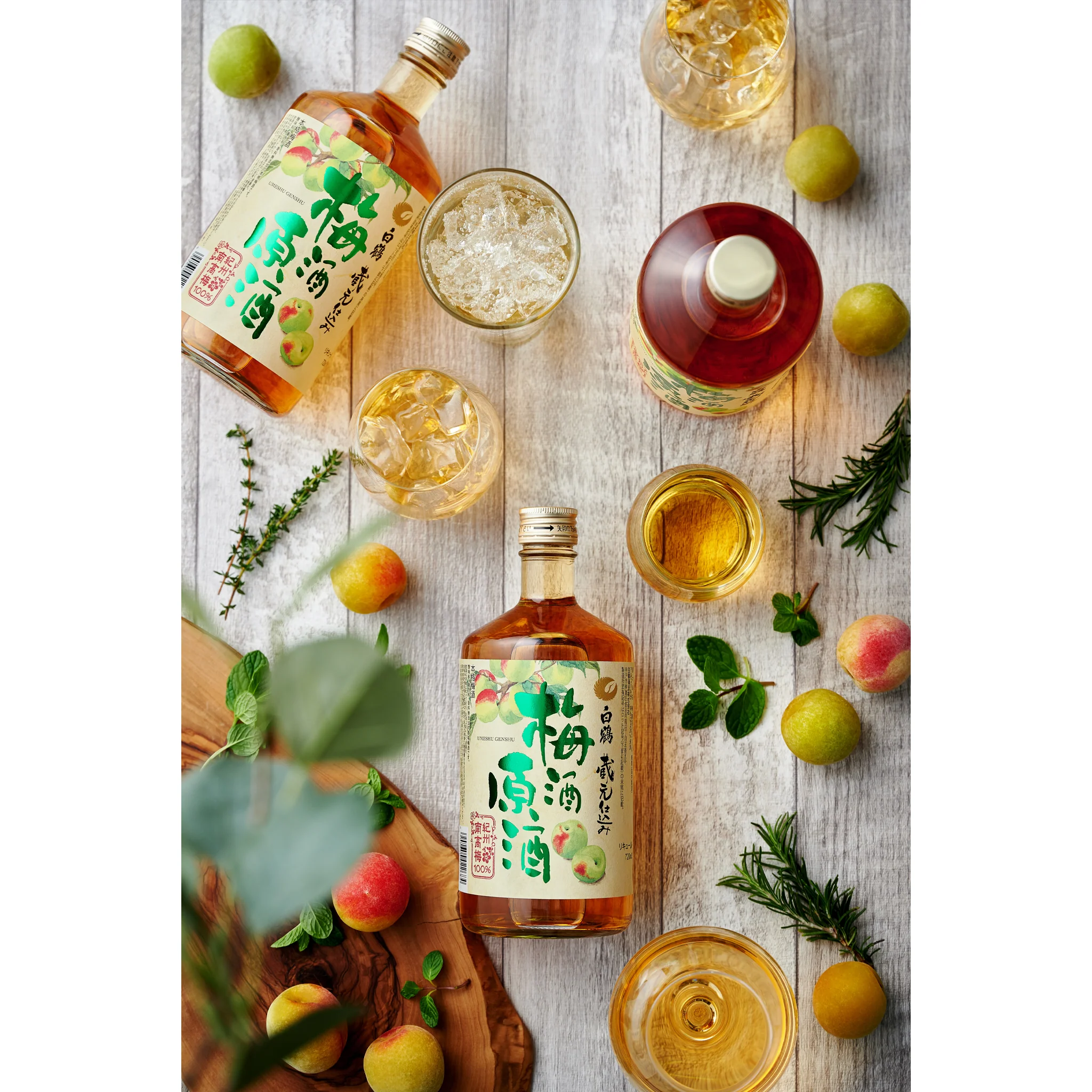
Umeshu is a Japanese plum liqueur made by steeping ume fruit in alcohol and sugar — and Hakutsuru Umeshu Genshu (白鶴 梅酒原酒) is the undiluted version, bottled at full cask strength with nothing added or removed after maceration. "Genshu" (原酒) means undiluted: where most commercial umeshu is cut with water before bottling, this goes straight from the steeping vessel to the bottle. Made with 100% Japanese Nanko ume — the premium plum variety from Wakayama — and brewery-crafted (蔵元仕込み) at Hakutsuru's Nada facility in Kobe. This 300ml format is ideal for retail, gifting, or trialling before committing to the full 720ml bottle.
Why Bars & Restaurants Choose This
- Genshu (undiluted): Full cask strength — more concentrated flavour per pour, which means better value in cocktails and a more intense neat serve.
- 100% Nanko ume: Japan's most prized plum variety, grown in Wakayama. Deeper, more complex fruit character than generic ume.
- Trial-friendly format: 300ml is a low-commitment way to add undiluted umeshu to a drinks list before scaling up to the 720ml.
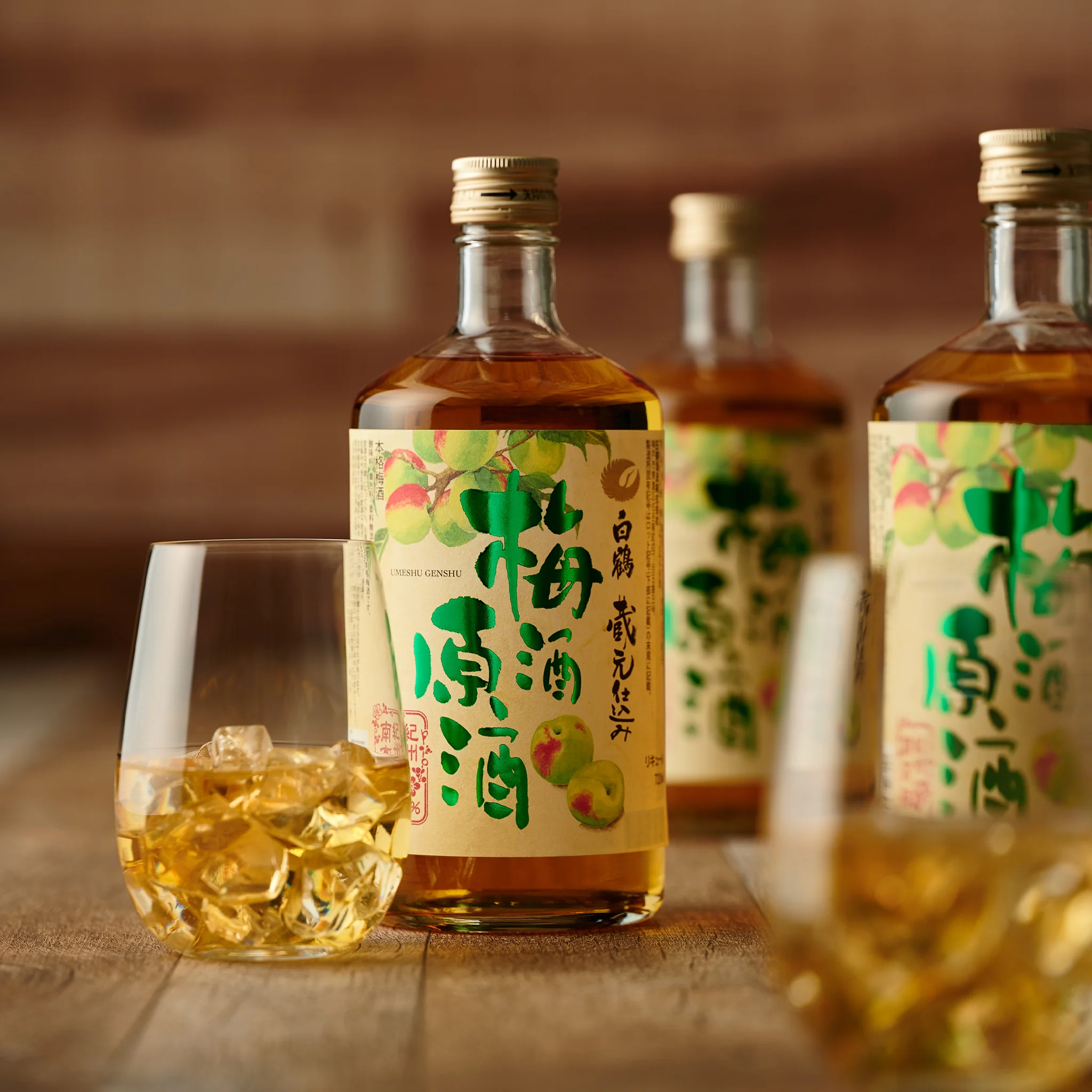
- Cocktail backbone: The higher concentration holds up in mixed drinks without disappearing — ideal for umeshu sours, highballs, and spritz serves.
How to Serve
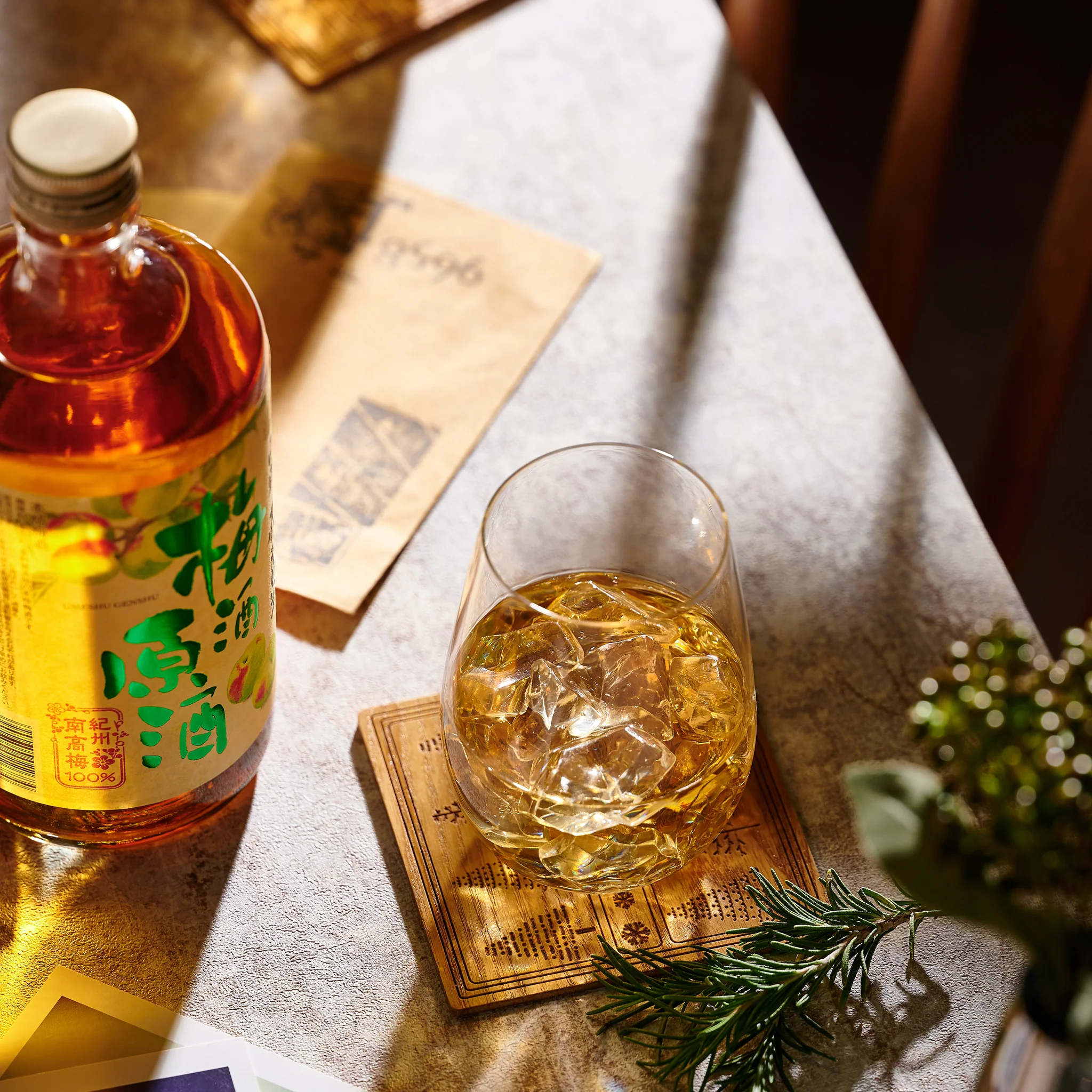
- On the rocks: Pour 60ml over ice and let it open up — the undiluted strength means it softens gradually without going thin.
- Umeshu sour: Shake with fresh lemon juice and ice for a Japanese take on a sour — the genshu concentration carries through the citrus.
- Soda highball: 1:3 with chilled soda water for a refreshing long drink — works as an aperitif or paired with lighter dishes.
- Dessert pairing: Serve neat alongside vanilla ice cream, mochi, or dark chocolate for a simple dessert course.
What does undiluted umeshu taste like?
The first thing you notice is the intensity. Unlike standard umeshu, which can taste light and syrupy, genshu hits with a rich, concentrated plum sweetness balanced by a tart, almost apricot-like acidity. There's a warmth from the higher alcohol that gives it structure — more like a digestif than a soft drink. The Nanko ume comes through clearly: stone fruit, a touch of almond from the pit, and a long, sweet-tart finish. It's umeshu for people who find regular umeshu too thin.
Product Details
| Type | 梅酒原酒 — Umeshu Genshu (Undiluted Japanese Plum Liqueur) |
| Brand | Hakutsuru (白鶴 — "White Crane") |
| Ume Variety | 100% Japanese Nanko Ume (南高梅) |
| Style | Genshu (原酒 — undiluted, cask strength) |
| Production | 蔵元仕込み Kuramoto Jikomi (brewery-crafted) |
| Origin | Nada, Kobe, Japan |
| ABV | — |
| Volume | 300ml |
What does Genshu mean?
Genshu (原酒) means "original liquor" or "undiluted." Most umeshu and sake is diluted with water before bottling to reduce the alcohol content and soften the flavour. Genshu skips that step — it's bottled at full strength directly from the steeping or brewing vessel. The result is a more concentrated, intense flavour with a higher ABV than the standard version of the same product.
What is Nanko ume?
Nanko ume (南高梅) is Japan's most prized plum variety, primarily grown in Wakayama Prefecture. The fruit is larger, juicier, and more fragrant than standard ume varieties, with a thinner skin and higher flesh-to-pit ratio. It's the benchmark for premium umeshu production — the "100% Nanko ume" designation on this bottle is a quality marker, similar to how single-origin labelling works in coffee or chocolate.
How is umeshu different from plum wine?
Umeshu is technically a liqueur, not a wine. It's made by steeping whole ume fruit in a spirit base (usually shochu or neutral spirit) with sugar. Plum wine, by contrast, is fermented from the fruit itself. The distinction matters for licensing and menu descriptions in UK hospitality — umeshu is a macerated spirit, closer in production method to sloe gin or limoncello than to grape wine.
Original: $22.74
-70%$22.74
$6.82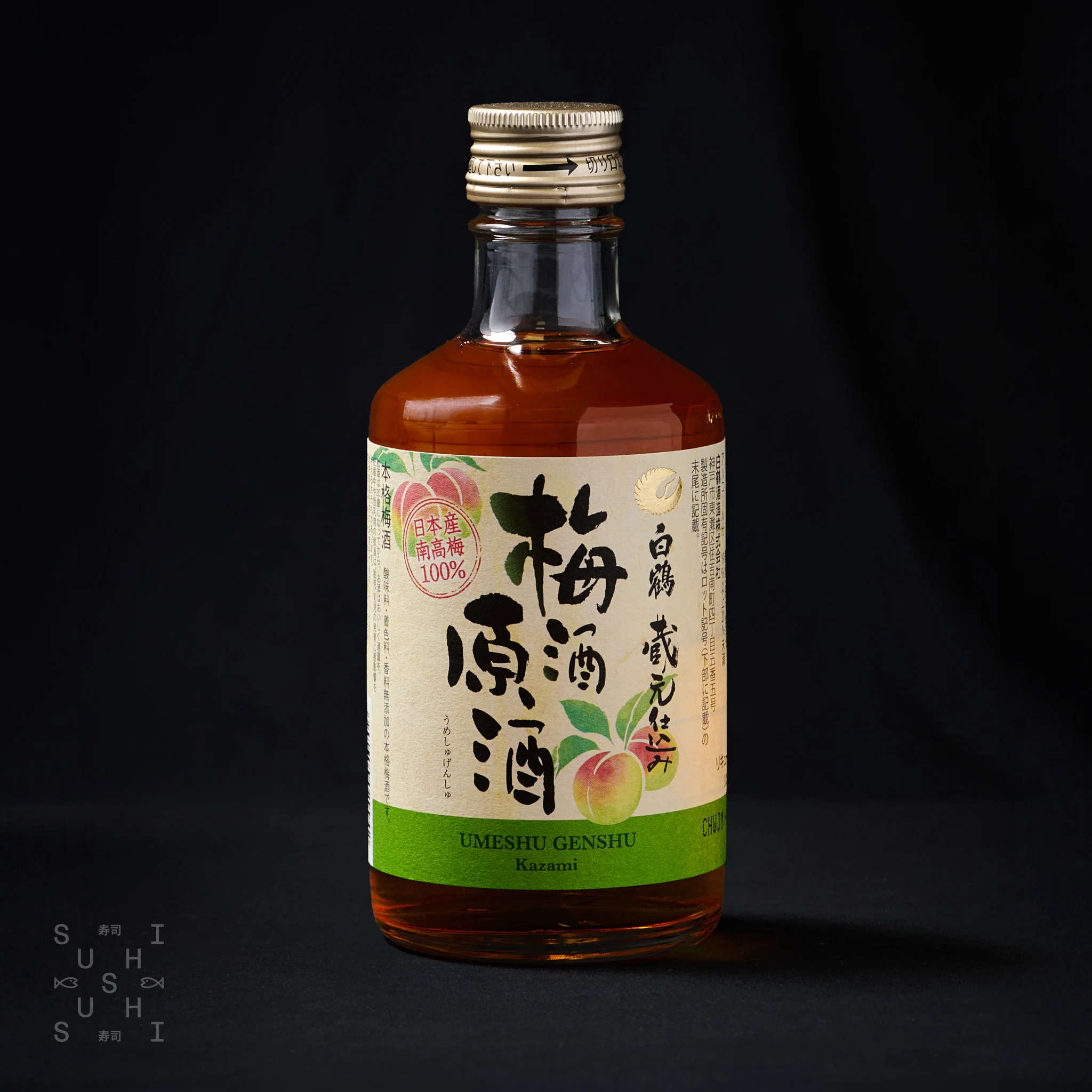

Description
Undiluted Plum Liqueur from Japan's Most Famous Sake Brewery
Umeshu is a Japanese plum liqueur made by steeping ume fruit in alcohol and sugar — and Hakutsuru Umeshu Genshu (白鶴 梅酒原酒) is the undiluted version, bottled at full cask strength with nothing added or removed after maceration. "Genshu" (原酒) means undiluted: where most commercial umeshu is cut with water before bottling, this goes straight from the steeping vessel to the bottle. Made with 100% Japanese Nanko ume — the premium plum variety from Wakayama — and brewery-crafted (蔵元仕込み) at Hakutsuru's Nada facility in Kobe. This 300ml format is ideal for retail, gifting, or trialling before committing to the full 720ml bottle.
Why Bars & Restaurants Choose This
- Genshu (undiluted): Full cask strength — more concentrated flavour per pour, which means better value in cocktails and a more intense neat serve.
- 100% Nanko ume: Japan's most prized plum variety, grown in Wakayama. Deeper, more complex fruit character than generic ume.
- Trial-friendly format: 300ml is a low-commitment way to add undiluted umeshu to a drinks list before scaling up to the 720ml.
- Cocktail backbone: The higher concentration holds up in mixed drinks without disappearing — ideal for umeshu sours, highballs, and spritz serves.
How to Serve
- On the rocks: Pour 60ml over ice and let it open up — the undiluted strength means it softens gradually without going thin.
- Umeshu sour: Shake with fresh lemon juice and ice for a Japanese take on a sour — the genshu concentration carries through the citrus.
- Soda highball: 1:3 with chilled soda water for a refreshing long drink — works as an aperitif or paired with lighter dishes.
- Dessert pairing: Serve neat alongside vanilla ice cream, mochi, or dark chocolate for a simple dessert course.
What does undiluted umeshu taste like?
The first thing you notice is the intensity. Unlike standard umeshu, which can taste light and syrupy, genshu hits with a rich, concentrated plum sweetness balanced by a tart, almost apricot-like acidity. There's a warmth from the higher alcohol that gives it structure — more like a digestif than a soft drink. The Nanko ume comes through clearly: stone fruit, a touch of almond from the pit, and a long, sweet-tart finish. It's umeshu for people who find regular umeshu too thin.
Product Details
| Type | 梅酒原酒 — Umeshu Genshu (Undiluted Japanese Plum Liqueur) |
| Brand | Hakutsuru (白鶴 — "White Crane") |
| Ume Variety | 100% Japanese Nanko Ume (南高梅) |
| Style | Genshu (原酒 — undiluted, cask strength) |
| Production | 蔵元仕込み Kuramoto Jikomi (brewery-crafted) |
| Origin | Nada, Kobe, Japan |
| ABV | — |
| Volume | 300ml |
What does Genshu mean?
Genshu (原酒) means "original liquor" or "undiluted." Most umeshu and sake is diluted with water before bottling to reduce the alcohol content and soften the flavour. Genshu skips that step — it's bottled at full strength directly from the steeping or brewing vessel. The result is a more concentrated, intense flavour with a higher ABV than the standard version of the same product.
What is Nanko ume?
Nanko ume (南高梅) is Japan's most prized plum variety, primarily grown in Wakayama Prefecture. The fruit is larger, juicier, and more fragrant than standard ume varieties, with a thinner skin and higher flesh-to-pit ratio. It's the benchmark for premium umeshu production — the "100% Nanko ume" designation on this bottle is a quality marker, similar to how single-origin labelling works in coffee or chocolate.
How is umeshu different from plum wine?
Umeshu is technically a liqueur, not a wine. It's made by steeping whole ume fruit in a spirit base (usually shochu or neutral spirit) with sugar. Plum wine, by contrast, is fermented from the fruit itself. The distinction matters for licensing and menu descriptions in UK hospitality — umeshu is a macerated spirit, closer in production method to sloe gin or limoncello than to grape wine.